


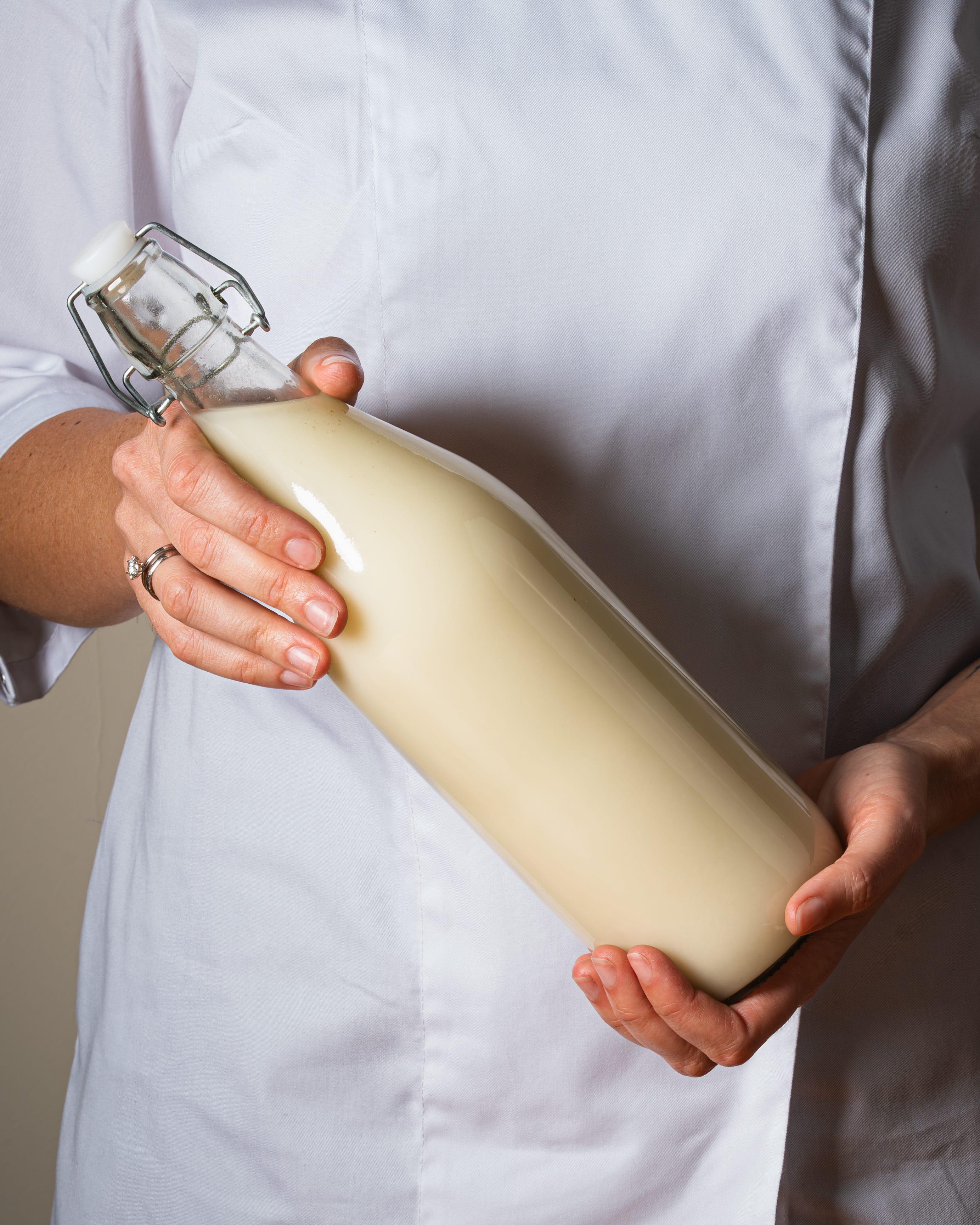
In the pristine world of modern sake, where liquid is polished until it is as clear as glass, there exists a rowdier, more ancient ancestor: Doburoku. This is sake in its most primal state—unfiltered, thick, and fizzing with life. Often called “cloudy” or “chunky” sake, doburoku is the raw, rustic expression of fermentation.
Unlike the refined seishu found on store shelves, doburoku is a “living” beverage that blurs the line between food and drink. For centuries, this was the spirit of the Japanese countryside. While commercial sake involves a rigorous, three-step addition process, doburoku is defined by its elegant simplicity. It is often referred to as zenkoji-zukuri, a “one-step” fermentation where all ingredients are combined at once.
Today, a “Doburoku Renaissance” is underway, fueled by a global interest in fermentation and a desire to return to artisanal, living foods.
The Magic of Parallel Fermentation
The soul of doburoku lies in a unique biological dance known as Multiple Parallel Fermentation. In beer, starches are converted to sugar first and then fermented into alcohol in a separate stage. In the doburoku jar, these acts happen simultaneously:
Koji (Aspergillus oryzae) enzymes break down rice starches into glucose.
Lactic Acid Bacteria (LAB), naturally present on fresh koji rice, feed on that glucose. This inhibits the growth of pathogenic bacteria at the early stage of fermentation and imparts a refreshing acidity.
Yeast (either wild or added) begins turning glucose into alcohol, accelerating its activity as the fermentation progresses.
Fresh rice koji is naturally home to LAB. When combined with water and rice, these bacteria flourish, creating a “biological shield” of acidity that prevents spoilage while providing a signature tartness.
This process results in a fascinating liquid evolution. By Day 2, the mash contains almost no alcohol. Instead, it is a “Sour Amazake”—a thick, creamy porridge that is sweet, deeply umami, and punchy with lactic acidity. As the days progress, the yeast takes the lead and the alcohol content begins to climb. Depending on when you choose to stop the fermentation, the ABV typically falls between 6% and 14%.