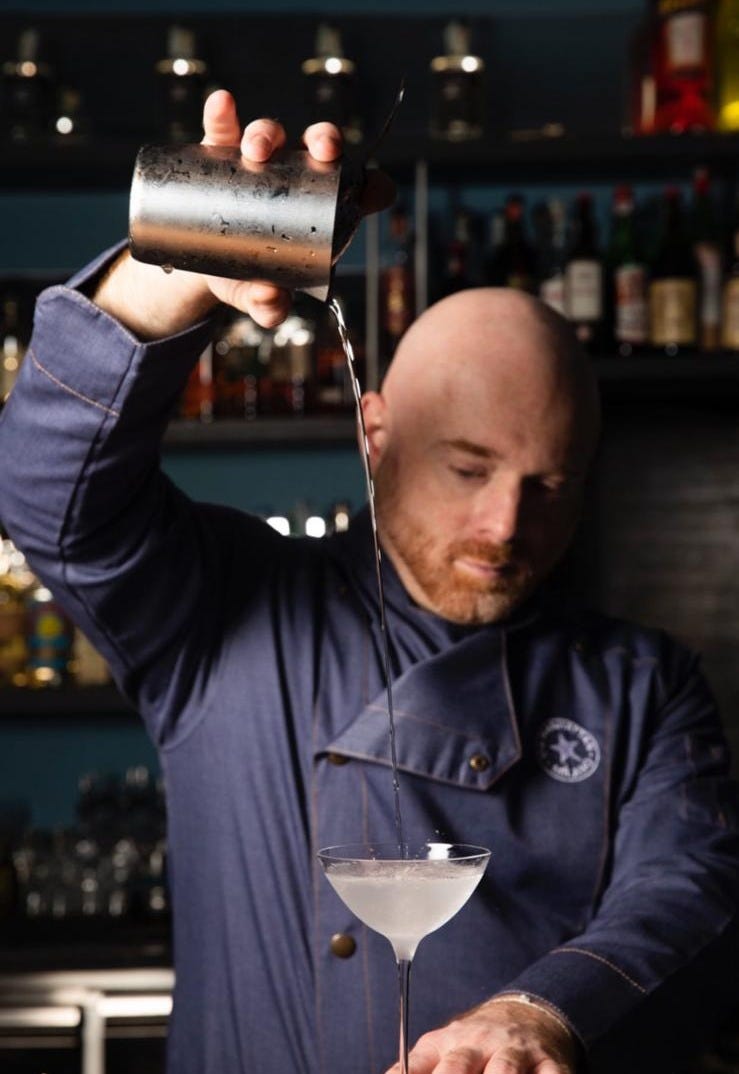
With over twenty years of experience navigating the high-end hospitality landscapes of the UK, Spain, and Italy, Giorgio Cornalba has moved beyond the world of standard spirits toward a philosophy he calls ingredient-driven cocktails. At the heart of his current work, including his venture Santa Vodka Mai (where he is a co-founder), lies a deep obsession with the invisible, transformative power of fermentation. To this fermentation enthusiast, a cocktail isn’t just a mixture of liquids; it is a curated ecosystem where time and microbes do the heavy lifting.
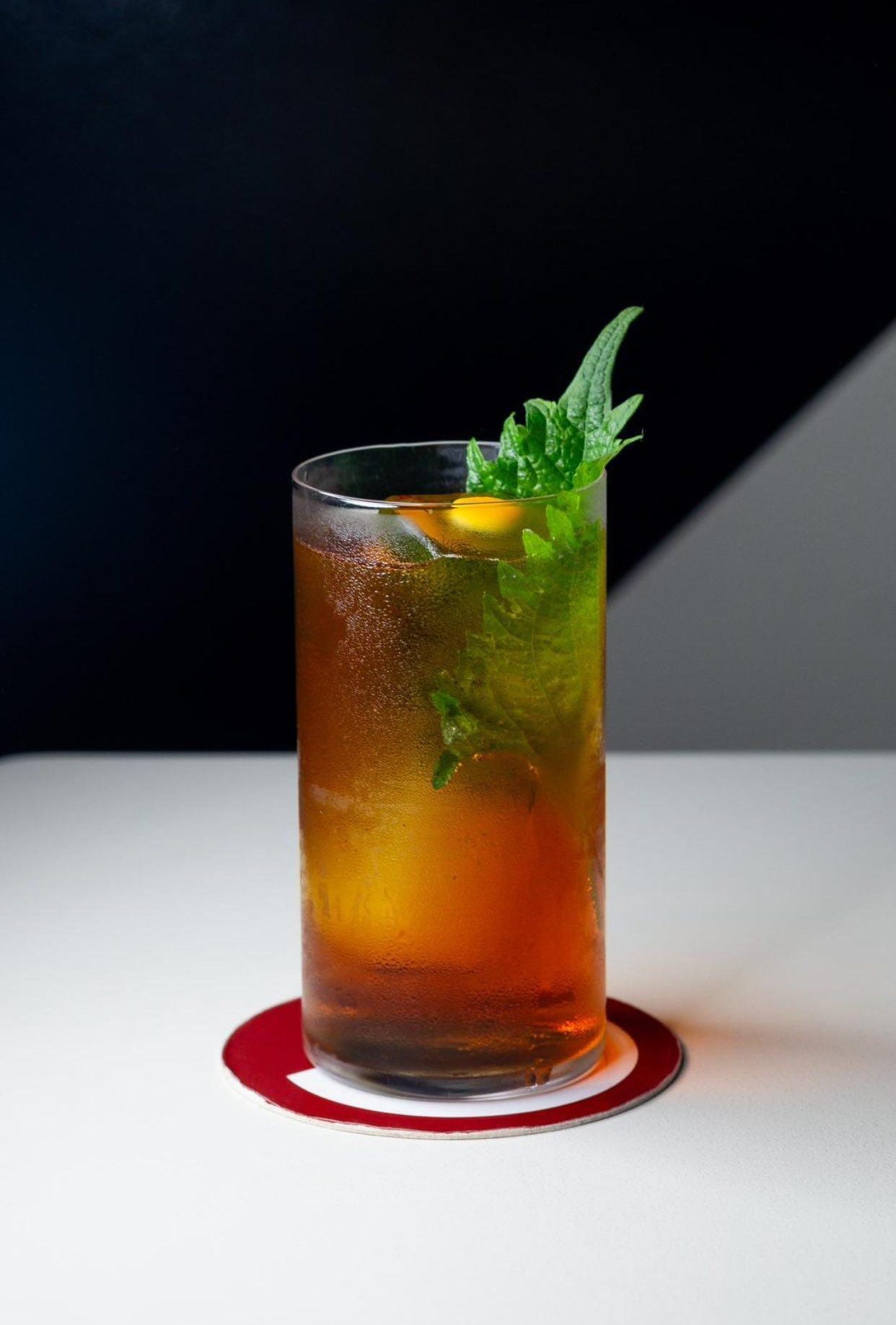
Kombucha is often relegated to the “health food” aisle, but in Giorgio’s hands, it becomes a sophisticated tool for flavor development. By manipulating the base tea—ranging from the robust tannins of Kenyan Black tea to the earthy, chocolatey notes of Cacao Tea—he creates a complex acidic profile that can rival the finest citrus in a highball or serve as a standalone, nuanced aperitivo.
The Science of the SCOBY
The magic of kombucha lies in the SCOBY (Symbiotic Culture of Bacteria and Yeast). When introduced to sweetened tea, the yeast converts sugar into ethanol and carbon dioxide. Simultaneously, acetic acid bacteria (AAB) consume that alcohol, transforming it into the bright, sharp organic acids that give kombucha its signature “zing.”
Giorgio likes his kombucha acidic. By fermenting to roughly ten days and using mineral-light water to avoid inhibiting the delicate microbial colony, he produces a liquid that is as much a culinary ingredient as it is a beverage.
Recipe: Giorgio’s Core Kombucha Recipe
This recipe is adapted from Giorgio’s personal method, optimized for a balanced fermentation that respects the SCOBY’s health while delivering the bold, acidic punch required for modern cocktails.
Ingredients
Water: 1 Liter of soft mineral water (Filtered water is preferred; high chlorine or “hard” water can stress the culture).
Tea: 15–20g of high-quality loose-leaf tea (Black, Green, Rooibos, or Cacao tea).
Sugar: 100–110g Organic Cane Sugar or Muscovado (Note: Muscovado adds a deep molasses funk but can be more challenging for beginners).
Starter Liquid: 100ml of previously fermented kombucha (This lowers the pH to prevent mold).
The Mother: 1 healthy SCOBY.
Equipment
1.5L Wide-mouth glass jar
Breathable cotton cloth or “nut milk” bag
Heavy-duty elastic band
Digital thermometer
Instructions
The Brew: Bring half of your water (500ml) to just under a boil (roughly 90°C). Steep your tea for 5–7 minutes. If using Matcha, whisk it thoroughly to avoid clumps.
The Sweetener: Stir in the sugar while the tea is hot until completely dissolved.
The Tempering: Add the remaining 500ml of cold mineral water. This helps bring the temperature down quickly.
Inoculation: Ensure the liquid has cooled to between 20°C and 26°C. Colder is fine, but will take longer to kick off the active fermentation.
Note: Do not add the SCOBY if the liquid is above 30°C, as this can kill the living bacteria.
The Setup: Pour the tea into your glass jar. Add the SCOBY and the 100ml of starter liquid. The starter liquid is either your mature kombucha from the previous batch, or your liquid from the same bag as your SCOBY if it’s freshly bought.
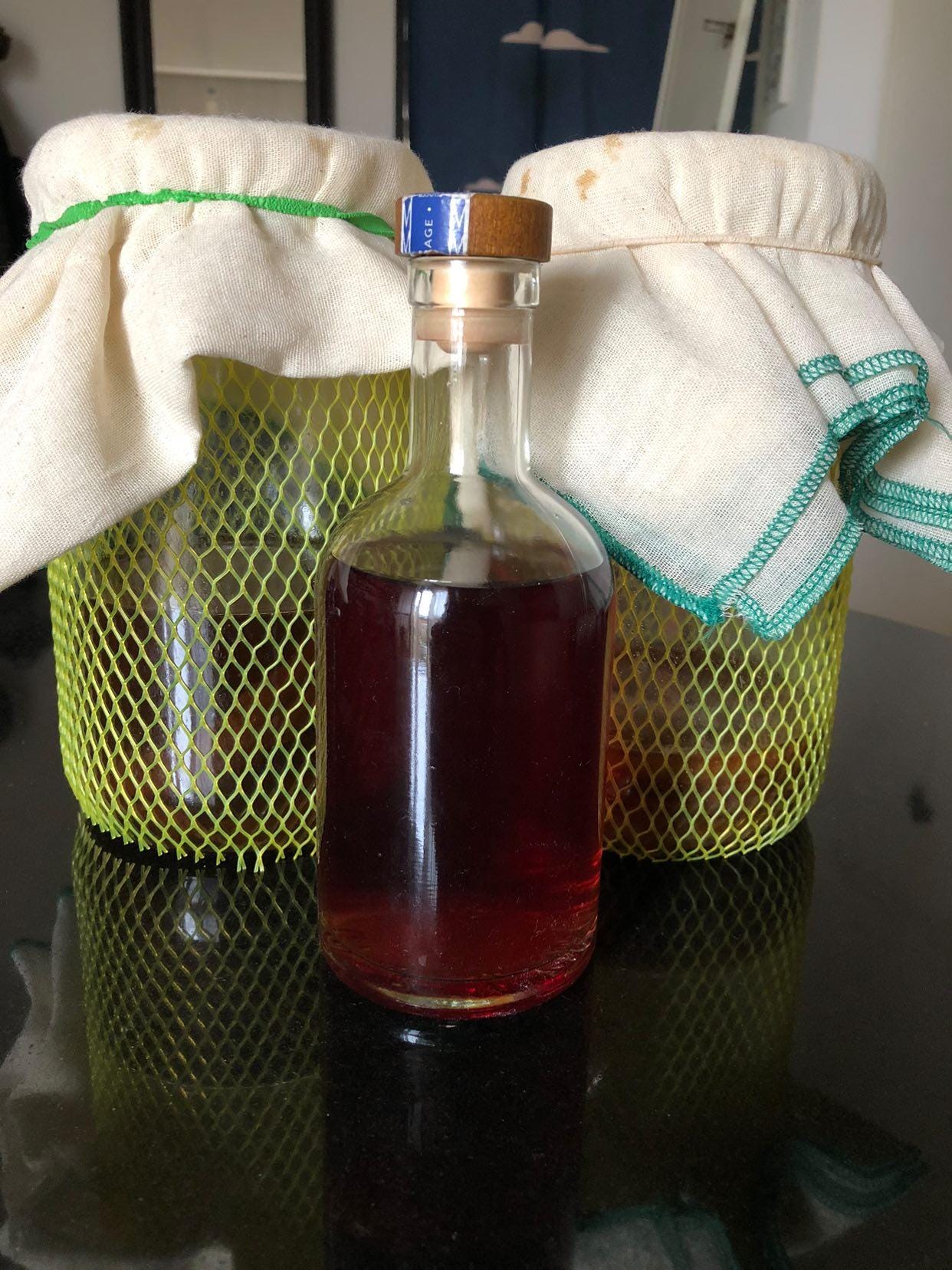
The Ferment: Cover the jar with the cotton cloth and secure it with the elastic band. This allows the bacteria to breathe (aerobic fermentation) while keeping out fruit flies.
The Wait: Store the jar in a dry, dark place with good air circulation. Taste the brew with a clean straw starting at day 5.
The Finish: Once you reach your desired acidity (usually around day 10), remove the SCOBY and a small amount of liquid for your next batch. Filter the remaining liquid through a fine-mesh sieve.
Flavoring (Optional): If you want to follow Giorgio’s lead, add fresh green apple or forest fruits (blueberries, raspberries) to the bottled liquid and let it sit for 2 days at room temperature for a “second fermentation” before moving it to the fridge.