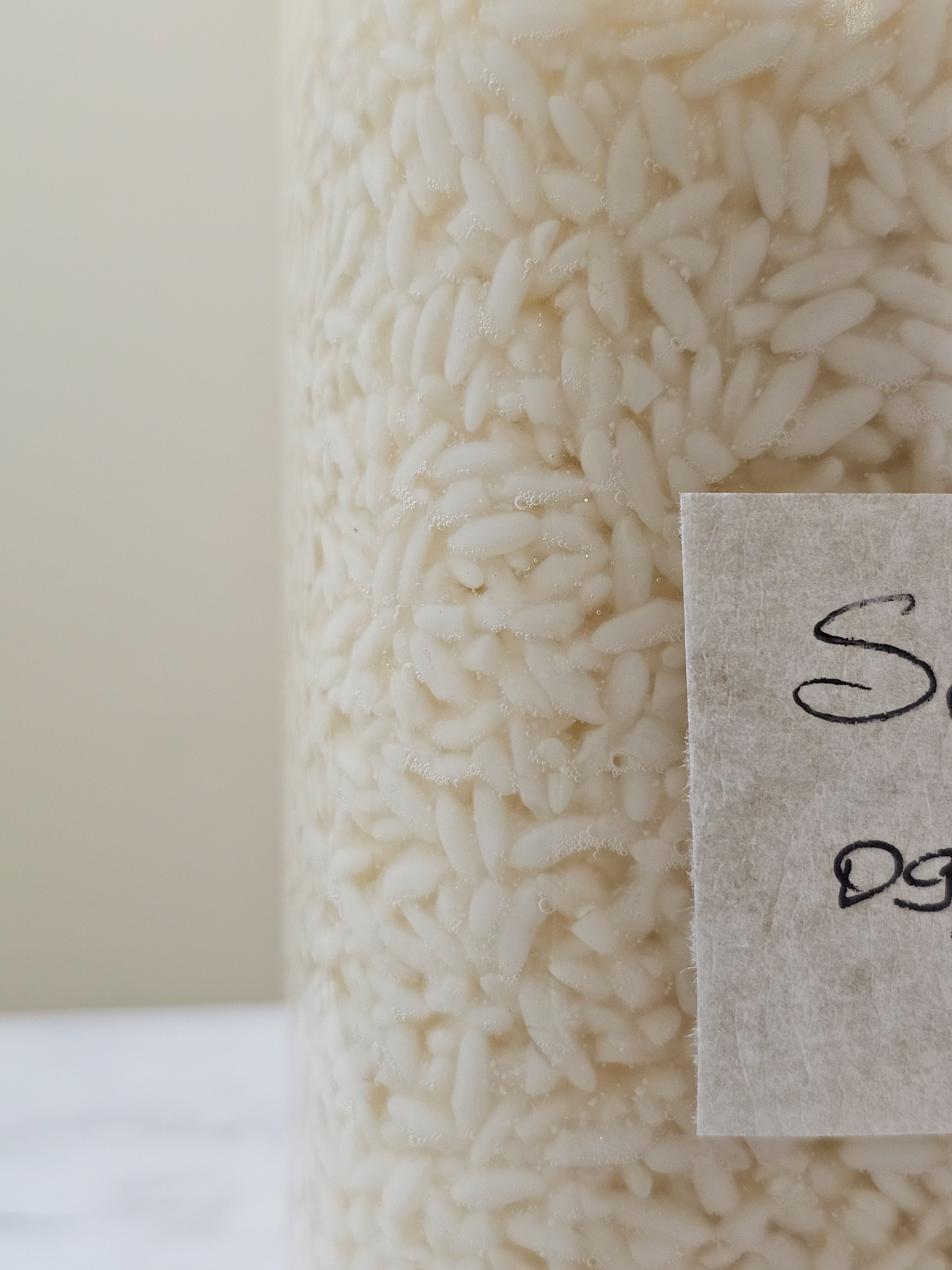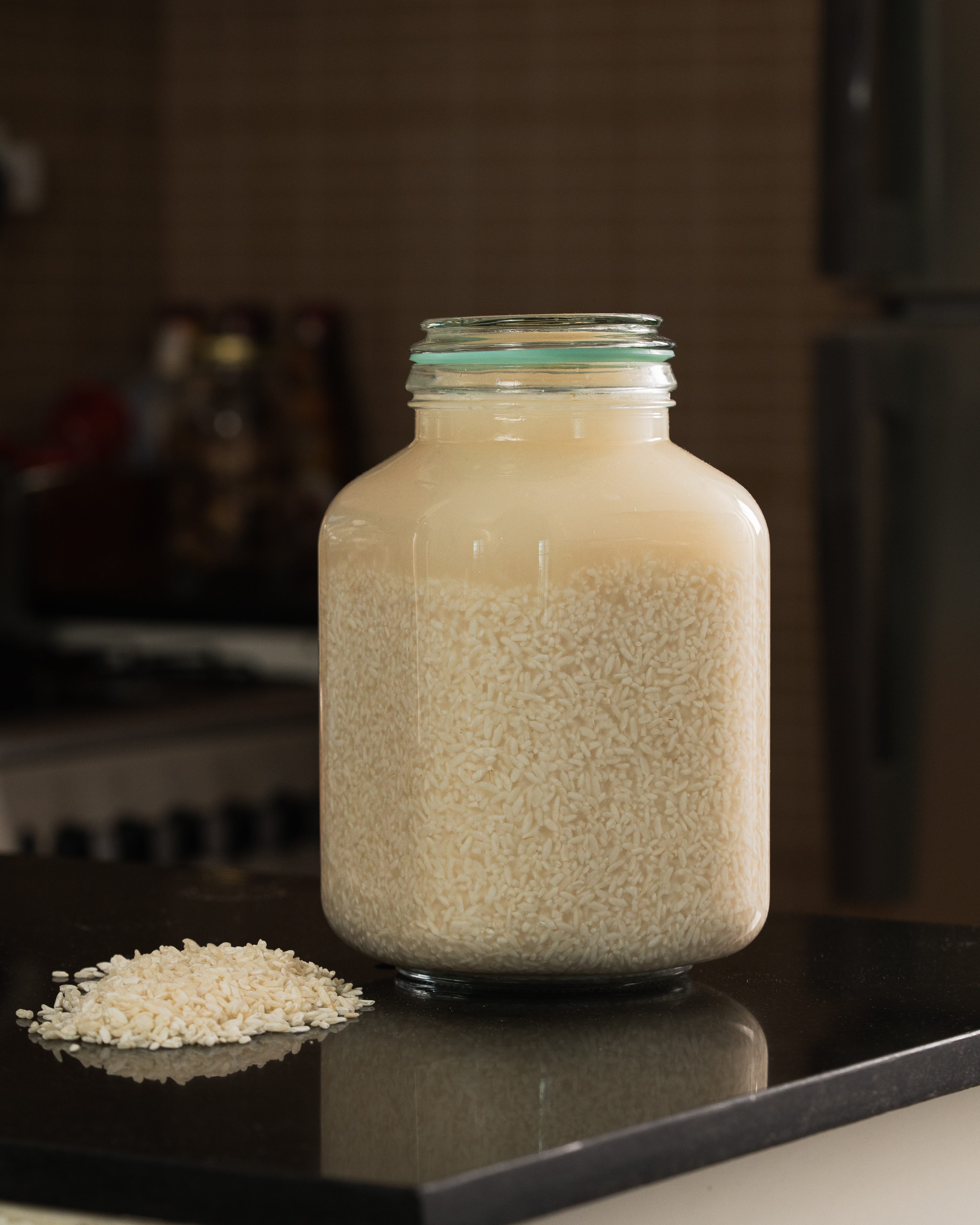
Fermentation is nature’s way of unlocking hidden flavors. Among its many wonders, shio koji stands out as a simple yet transformative Japanese seasoning. Made from just three ingredients—rice koji, salt, and water—it harnesses the power of enzymes to break down proteins and starches. The result is a savory, slightly sweet paste (or liquid) that elevates meats, vegetables, and sauces.
Why Make Shio Koji?
Shio koji is more than a condiment. It’s a natural flavor enhancer, a meat tenderizer, and a fermentation booster. Unlike commercial MSG, it delivers umami through enzymatic action, not additives. Chefs and home cooks use it to:
Boost depth in soups and broths.
Tenderize proteins without acidity.
Accelerate pickling while preserving texture.
Replace salt in recipes with a more complex taste.
The Science Behind Shio Koji
Shio koji is not a microbial ferment like sauerkraut or kimchi. Instead, it relies on enzymes produced by Aspergillus oryzae, the mold cultured on rice koji. These enzymes perform two key reactions:
Proteases break down proteins into amino acids, creating savory umami (glutamate).
Amylases convert starches into simple sugars, adding sweetness.
While microbes like Lactobacillus may grow if conditions allow, they are not the primary drivers. The process is controlled by salt concentration (8–12%), which suppresses unwanted bacteria while letting enzymes work. The activity of protease enzyme will decrease with the addition of high salt concentration approximately 18%.
Critical Fermentation Parameters
For optimal enzyme activity, shio koji requires precise conditions:
Temperature: 25–30°C – Warmth accelerates enzymes without denaturing them.
Hydration: A 1:1 minimum water-to-koji ratio ensures proper enzyme diffusion. Less water slows reactions, exposes floating bits to unwanted mold development.
pH: 5.0–6.5 initially, dropping to 4.5–5.0 as mild acidity develops.
Time: 7–10 days. Umami levels will be rising insignificantly after 7-8 days of fermentation with 10-12% salt concentration.
Daily stirring prevents surface drying, mold development, and evenly distributes enzymes. Refrigeration halts activity once the desired taste is achieved.
How to Use Shio Koji in Cooking
Shio koji’s versatility makes it a kitchen staple. Here are a few applications:
1. Meat Marination
Coat poultry, beef, or fish in shio koji (10% of weight).
Marinate for 2–24 hours (longer for tougher cuts).
Proteases break down muscle proteins into free amino acids, particularly glutamates that boost umami.
2. Vegetable Pickling: Shiokojizuke
Replace 20% of salt in brine with shio koji. To replace salt completely, use 1 part of shio koji to 4 parts of vegetables+liquid weight—in this case, you are making Shiokojizuke.
Ferments vegetables faster while keeping them crisp.
3. Umami Seasoning
Blend into dressings, soups, or stir-fries.
Adds depth without overpowering.
Maillard Reaction Booster
When meat is marinated in shio koji and grilled, we get a more pronounced sweetness and complexity, which may be explained by the following factors:
Amino Acid Release (Proteolysis)
Shio koji’s proteases break down meat proteins into free amino acids (especially glutamic acid, alanine, and glycine).
These amino acids participate in the Maillard reaction (140–165°C), creating more complex browning and roasted flavors compared to plain meat.
Surface Dehydration
The salt in shio koji draws moisture to the meat’s surface.
During frying, this reduces steam interference, allowing for:
Faster Maillard reactions (which require <15% moisture).
Direct contact between amino acids and heat for caramelization.
Flavor Synergy
Free glutamates (umami) amplify kokumi (richness), making sweet notes taste more pronounced.
Minor lipid oxidation (from koji lipases) adds nutty, buttery undertones that complement caramelization.