


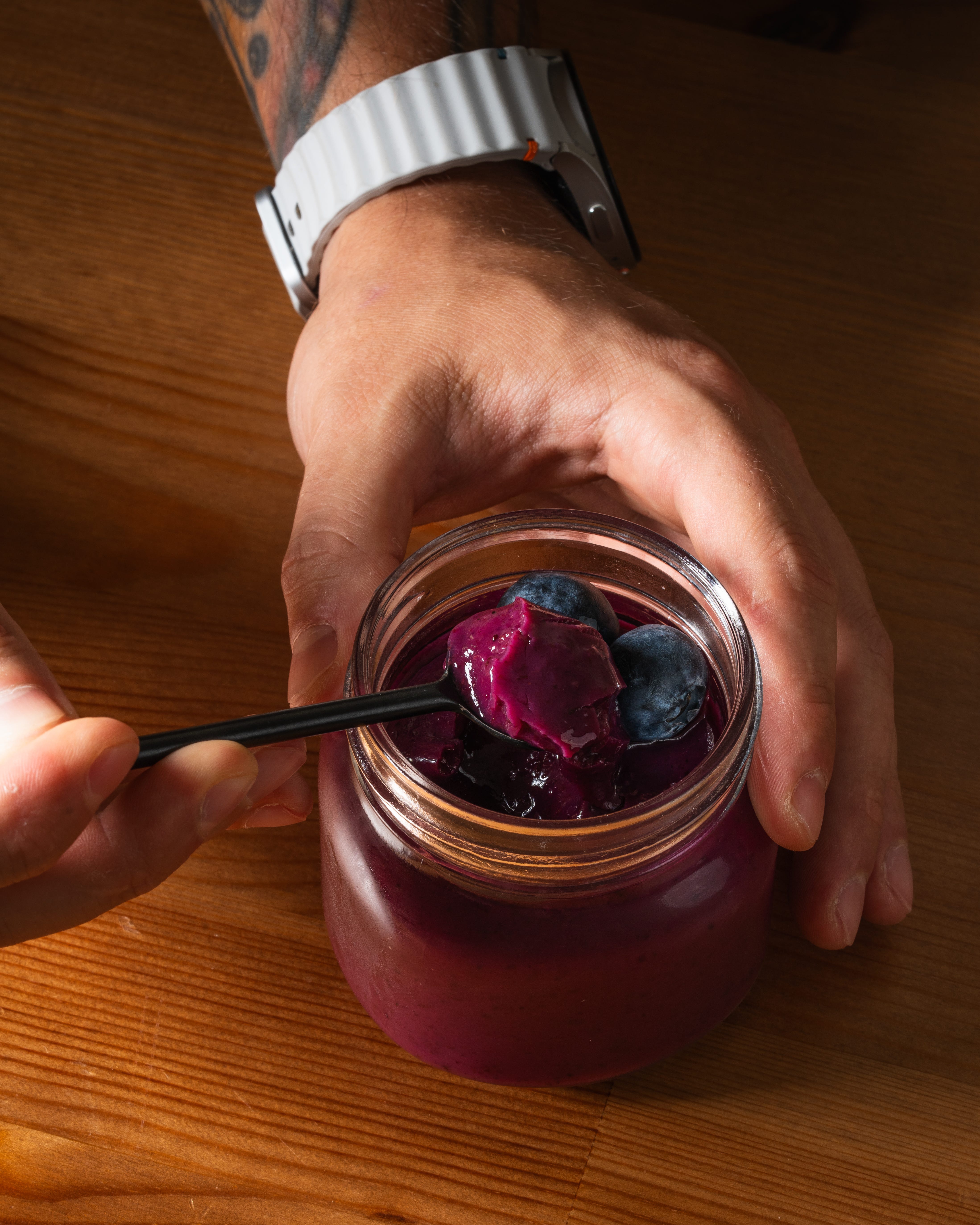
In modern food culture, kisel is widely known as a sweet dessert made from instant powders — commercial blends of potato or corn starch, sugar, synthetic flavorings, and dried fruit extracts. Historically, however, it was far from an instant sugary drink. It was a complex fermented grain food, a probiotic staple that bridged the gap between a satisfying meal and a healthy brew.
Etymology and the Spectrum of "Sour"
The word kisel comes from the Old East Slavic root for "sour," sharing a direct linguistic origin with kvass. In early Slavic languages, sourness (kiselo) was intrinsically tied to the verb kisnut’, which described the process of lactic fermentation. Originally, the term kiselina referred to the dense, acidic lees and unfiltered substrate sediment left behind during grain steeping and brewing. Over time, any gelatinous, fermented mass produced from oats, rye, or wheat earned the name kisel. Rather than allowing grains to spoil, ancient Slavic cooks harnessed wild microflora to preserve harvests, transforming raw grains into a deeply nourishing staple.
The Microbiology of Grain Acidification
The production of traditional kisel is driven by lactic acid fermentation, executed primarily by wild Lactic Acid Bacteria (LAB) belonging to the Lactobacillaceae family, which naturally inhabit the hulls of unrefined grains. Because bacteria cannot metabolize complex raw starches directly, the process relies on endogenous grain enzymes — specifically alpha- and beta amylases — that activate upon hydration. These enzymes break down long-chain polysaccharides into simple, fermentable sugars like maltose and glucose. The LAB then consume these sugars, generating lactic acid as their primary metabolic byproduct. This organic acid lowers the pH. It imparts a clean, tart flavor. It inhibits food-borne pathogens, and it partially pre-digests grain proteins, increasing nutrient bioavailability.
Giving the ferment an edge: temperature control
The 20–24°C incubation range isn't arbitrary — it's the mechanism that lets LAB win the fermentation. Cooler ferments in this range tend to favor Lactobacillaceae relative to wild yeast, while warmer ferments (28–32°C and above) shift the balance toward yeast growth and leavening. At 20–24°C, competing wild yeasts — which would otherwise consume the same sugars and produce alcohol and CO₂ instead of lactic acid — grow at a slower relative rate than LAB, letting Lactobacillaceae build an early numerical lead. As LAB acidify the wort over the following hours, that drop in pH mainly knocks out competing spoilage bacteria, reinforcing the increasingly LAB-dominant environment. Over 48–72 hours, this combination gives Lactobacillaceae the head start it needs to dominate the culture.
Quick reference:
Dominant organism: wild Lactobacillaceae
Competing organism (slower-growing at this range): wild yeast
Mechanism: cooler temperature (20–24°C) favors LAB growth rate over yeast; the resulting acidification then suppresses competing spoilage bacteria
Result: a clean lactic-sour profile without yeasty, alcoholic off-notes
Texture and the "Kisel Shores"
Unlike modern liquid preparations, authentic fermented kisel cooks into a dense, elastic grain jelly (studen’). Its structure is firm enough to be turned out of a pot and sliced with a knife.
In Russian folklore, the famous motif of "rivers of milk and shores of kisel" was not a purely abstract fairy-tale metaphor. The dense, greyish-brown oat mass, when set in large vessels, visually and texturally resembled the clay silt along Russian riverbanks. This hearty dish earned a revered place at the table, captured in the old saying: "There is always room for kisel and the Tsar."
The Guilds and the Starch Revolution
Preparing fermented kisel was an arduous three-day process involving soaking, active fermentation, straining, and slow simmering. Because of this complexity, the craft quickly shifted to professional artisans known as kiselshchiki (kisel-makers). Between the 16th and 18th centuries, these craftsmen produced large batches for public markets. Their legacy remains etched in Moscow's geography through historical street names like Bolshoy Kiselny Lane and Kiselny Impasse.
This traditional craft collapsed in the 19th century with the widespread adoption of inexpensive potato starch. Starch-thickened fruit decoctions could be prepared in under 20 minutes — roughly 150 to 200 times faster than a multi-day grain ferment. Rapid urban lifestyle shifts favored these sweet, instant desserts, pushing traditional fermented grain kisels into rural obscurity. Today, as interest in functional foods and gut health rises, we are rediscovering kisel as a sophisticated probiotic grain ferment.
Technical Guide: Fermented Wholegrain Oat & Blueberry Kisel
Fermentation Parameters
Fermentation mechanism: Spontaneous Lactic Acid Fermentation
Dominant microflora: Wild Lactobacillaceae
Optimal incubation temperature: 20°C – 24°C (68°F – 75°F)
Fermentation duration: 48 – 72 hours
Target end-point pH: 4.3 – 4.6
Ingredients
800 g whole organic oats, rolled or cracked (the fermentable base)
1,200 g drinking water (2:3 grain-to-water ratio, for proper hydration and enzyme activity)
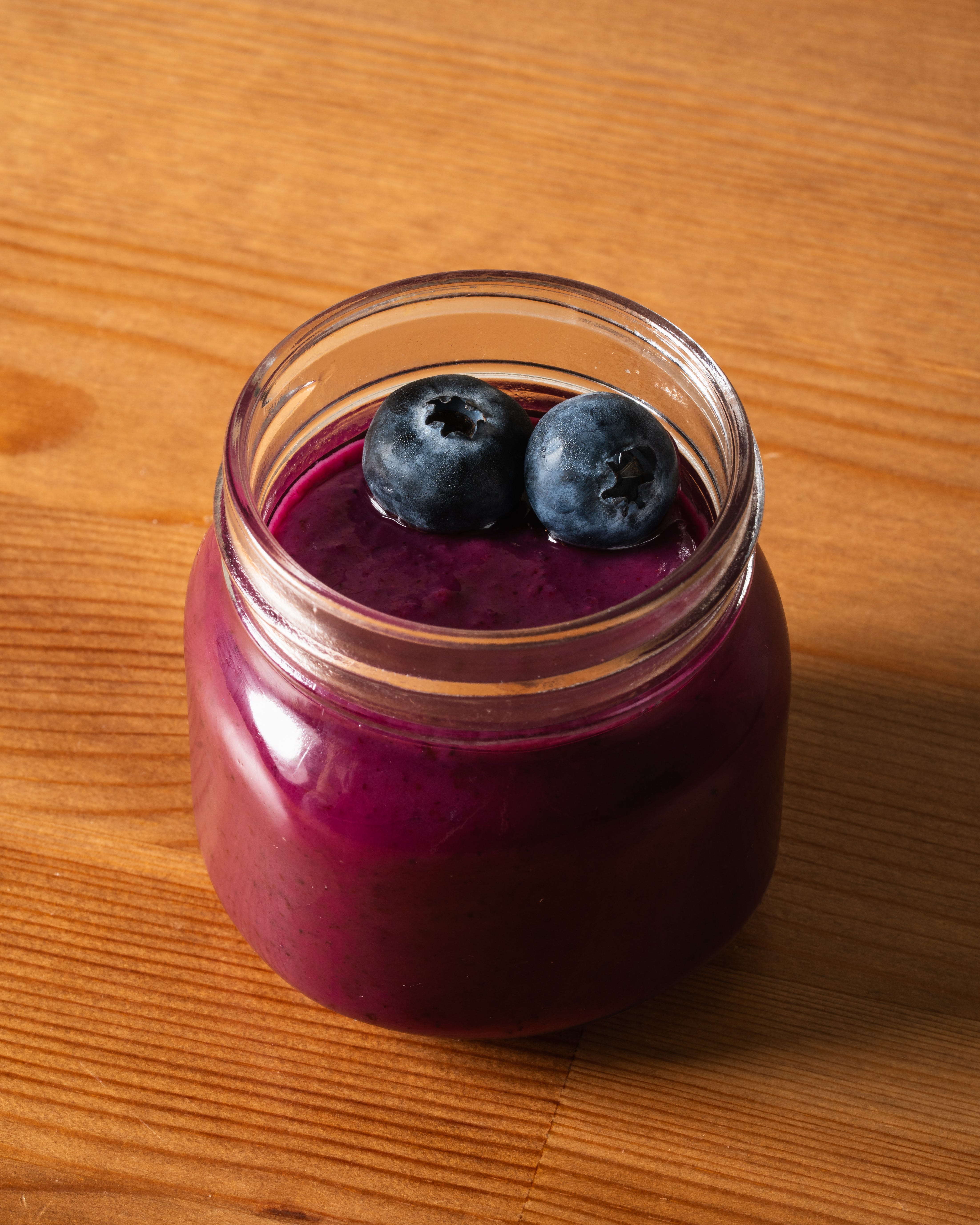
500 g Andros Chef blueberry puree, thawed (clean, fragrant color and flavor without added thickeners)
Raw honey, to finish (optional)
Method
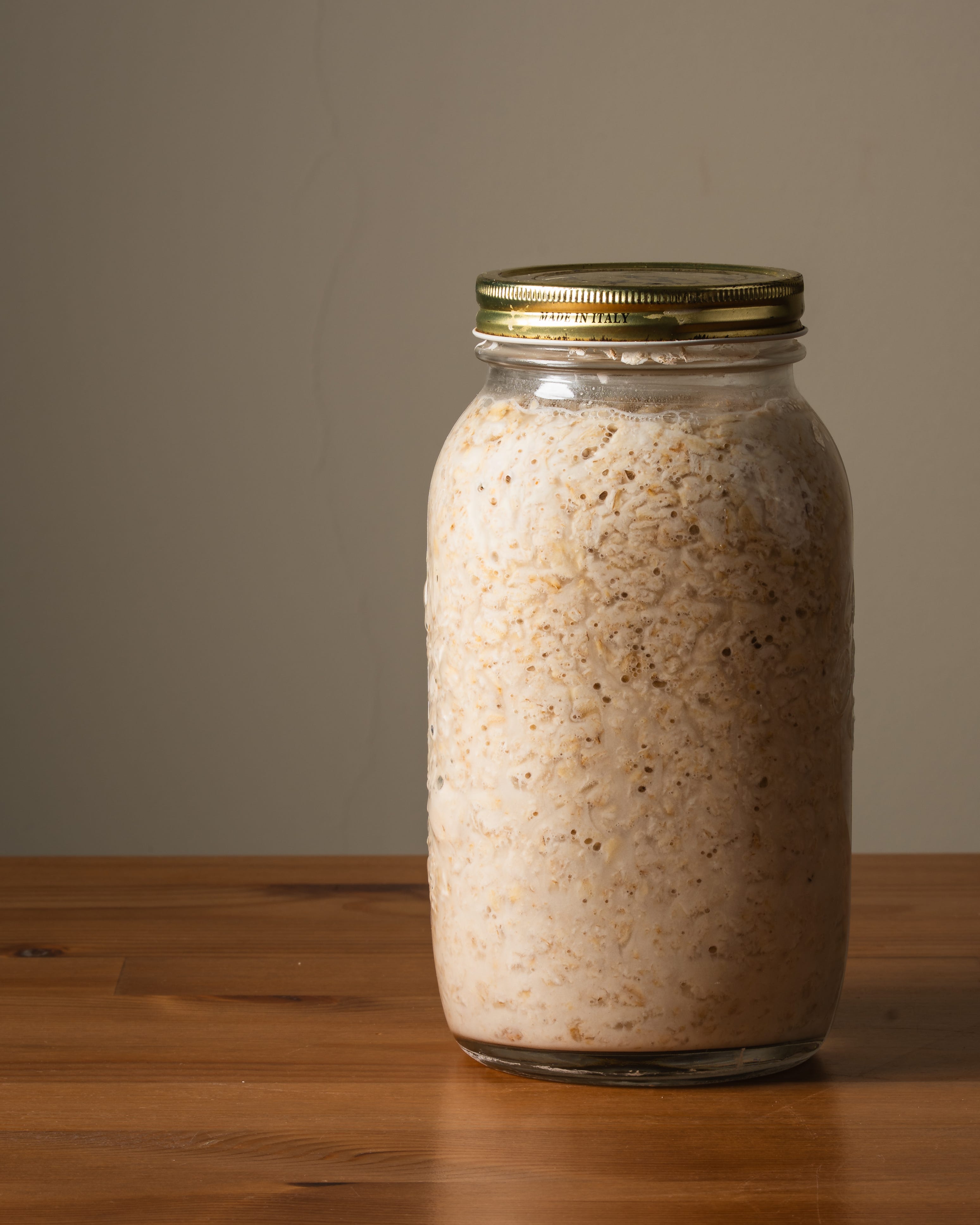
Combine 800 g whole oats and 1,200 g water in a clean glass jar.
Incubate loosely covered at a steady 20–24°C for 48 to 72 hours.
Verify acidity with a pH meter (target: 4.3–4.6). The aroma should be bright, clean, and mildly tart.
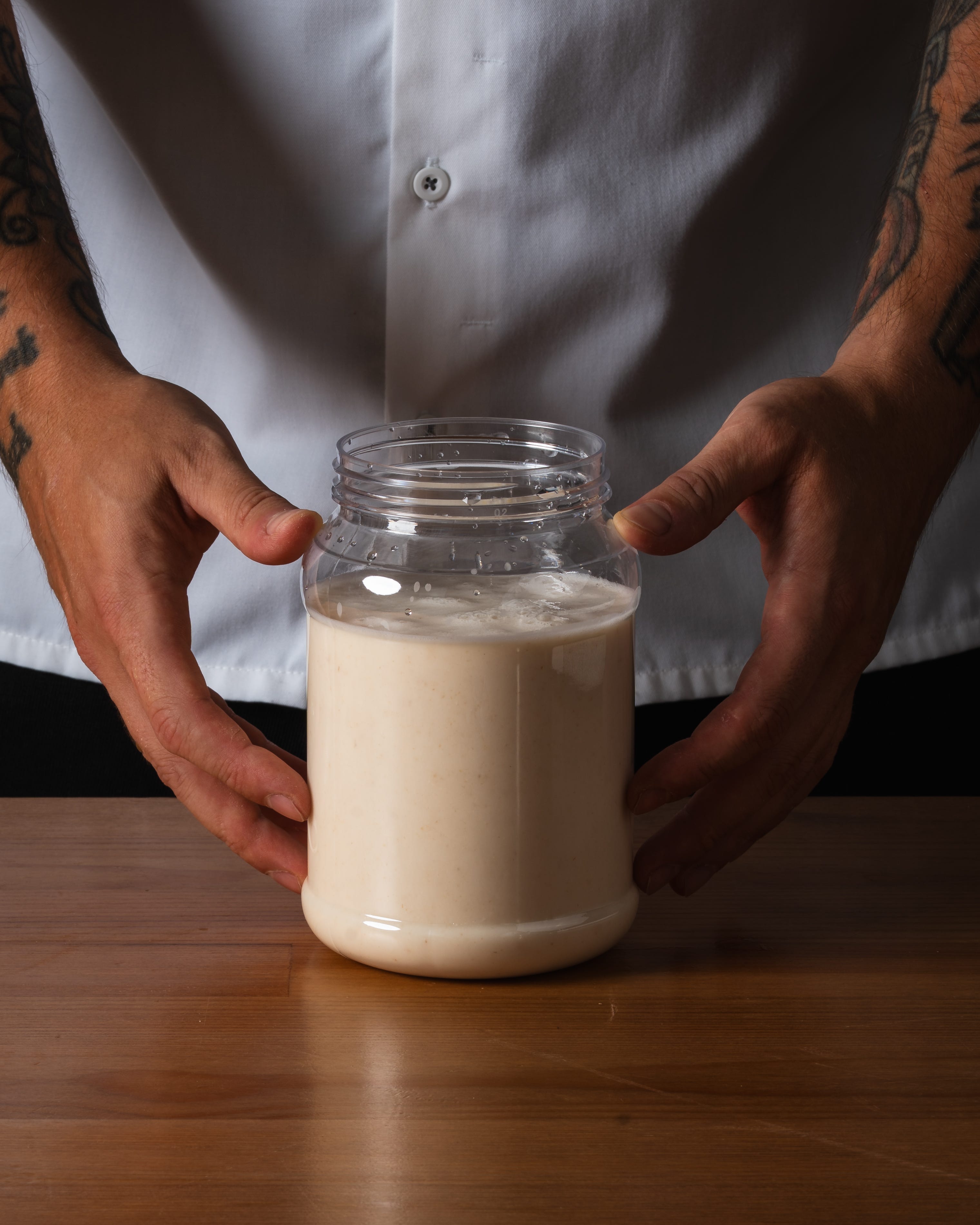
Strain the mixture through a fine-mesh sieve or cheesecloth, pressing the grains thoroughly to extract the starchy, probiotic liquid (~1 liter of fermented oat wort). The liquid should resemble milk.
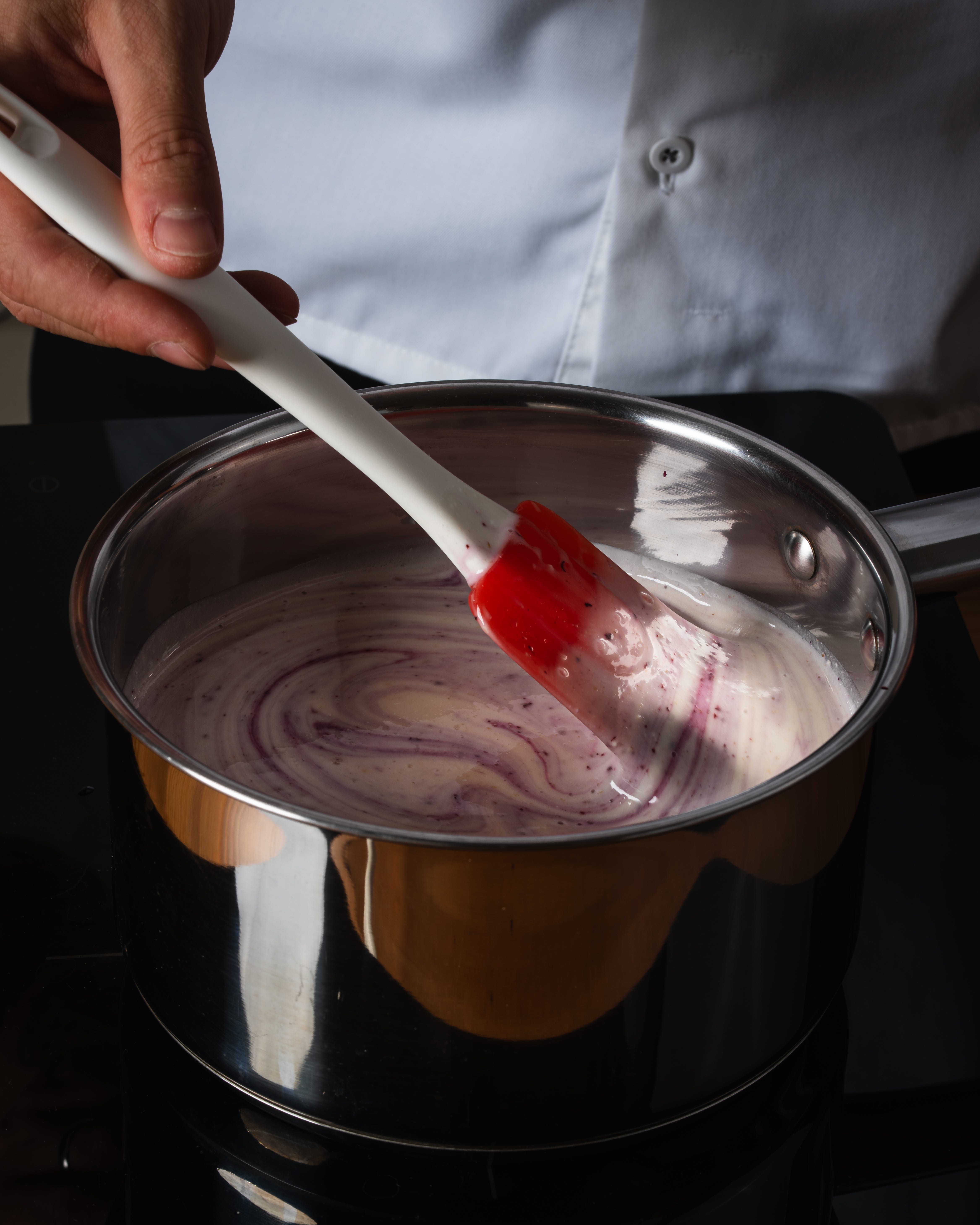
Whisk the 1 liter of strained fermented oat milk with 500 g thawed blueberry puree in a heavy bottomed pot until smooth.
Heat the deep-purple mixture over medium heat, stirring continuously with a whisk or silicone spatula to prevent scorching.
Simmer gently for 1–2 minutes as the natural oat starches swell and set the mixture into a glossy, velvety consistency. Remove from heat.


Serving and Storage
Warm beverage: Serve warm in mugs as a comforting, tart-sweet functional grain drink.
Cold jelly (studen): Pour into glass bowls or molds and refrigerate for at least 4 hours until set.
Traditional serve: Turn the chilled jelly out onto a dish, slice with a knife, and drizzle with raw honey to complement the berry notes and lactic tartness.
Storage: Keep refrigerated at 4°C and consume within 5 days.
Want to see our approach? Denis Pashkov and Irina Pashkova make a Pavlova with a Strawberry Kisel Filling:
Fermentation in Desserts and Lacto-Fermented Sodas on the Silk Road

The intersection of tradition and modern technicity is where the most profound culinary stories are written. This May, the cosmos society journeyed to the heart of Central Asia—Tashkent, Uzbekistan—to participate in the inaugural Open Air by Honey Murena Pass. Held across the atmospheric corridors of the Railway Museum and the progressive culinary space…
connect with us on Instagram:
Denis Pashkov
Irene Pashkova
cosmos society